The truffle
History, tradition, and places of excellence.
A hidden treasure, a unique flavor
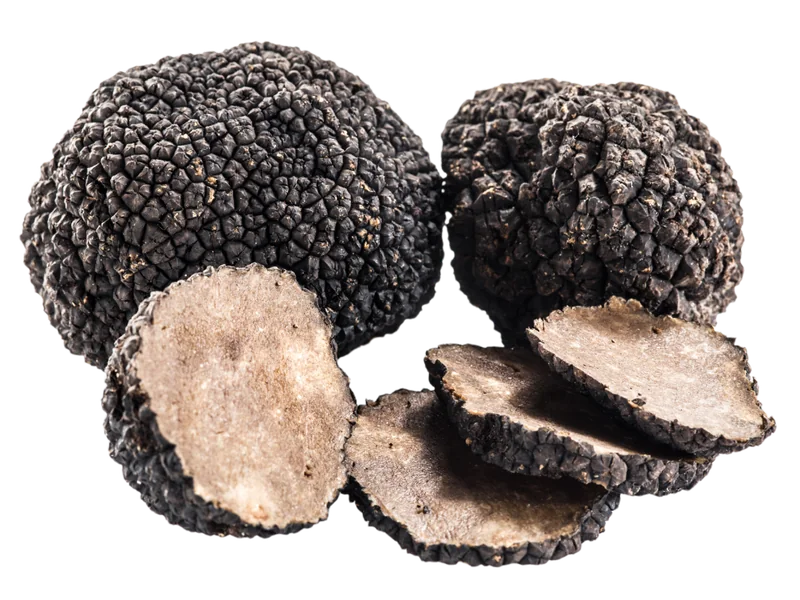
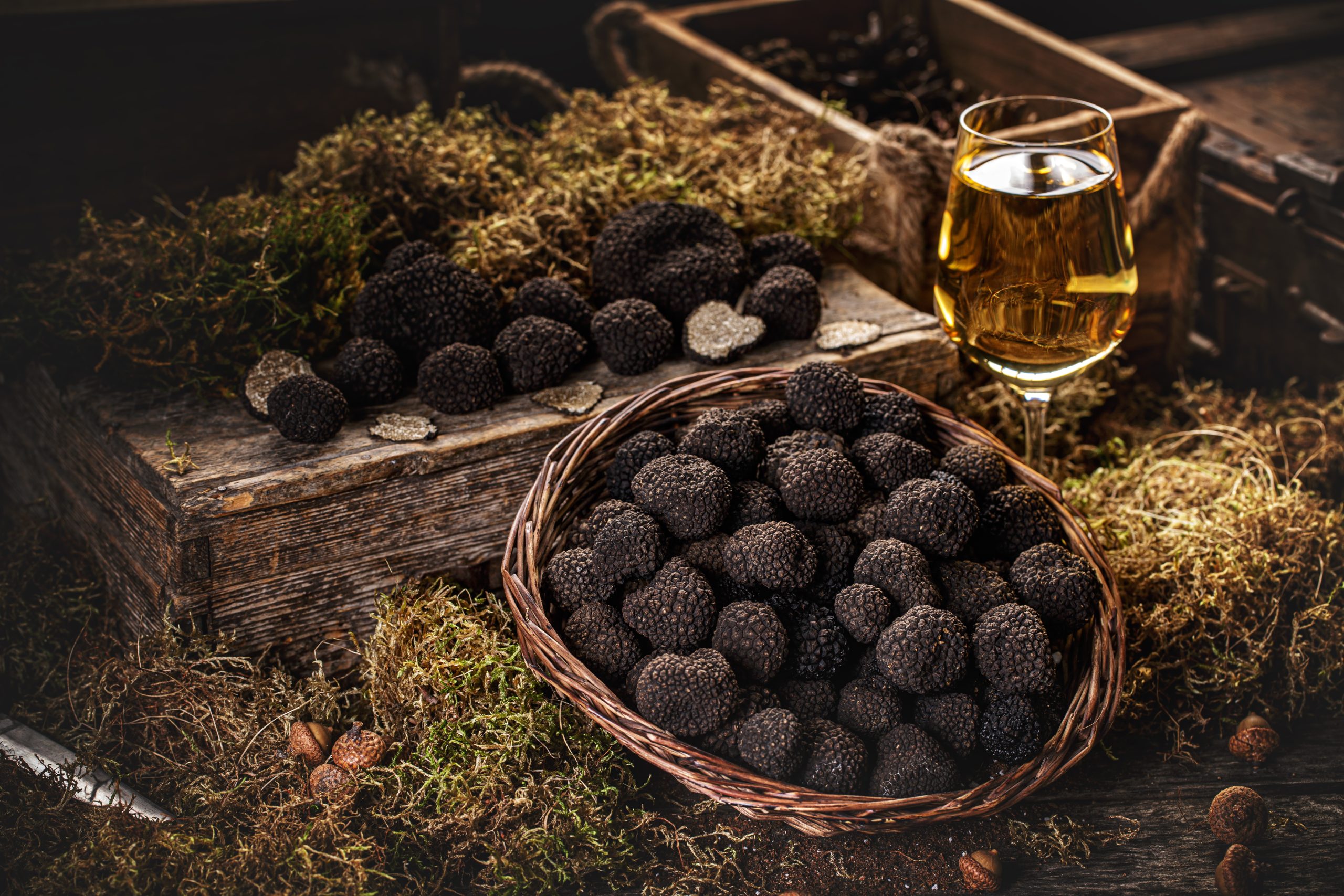
Welcome to the fascinating world of truffles, an underground fungus that has enchanted and enriched gastronomy for centuries. Hidden in the heart of the woods, in symbiosis with the roots of ancient trees, the truffle is a true treasure of nature, a sensory experience that goes far beyond simple flavor. With its intense and unmistakable aroma, it can transform even the simplest dish into a culinary masterpiece.
History
Truffles were already appreciated by the Sumerians and the Romans, later becoming part of the most refined European cuisines over the centuries.
Habitat
They grow in symbiosis with the roots of oaks, poplars, and hazelnut trees, in pristine environments rich in biodiversity.
Territories
Acqualagna, Amandola, and Camerino are just some of the Italian towns renowned for producing fine truffles.
The nose that makes the difference
Truffle hunting has always been a tradition of patience and dedication. The truffle hunter, together with his loyal trained dog, walks through woods, paths, and riverbanks in search of this hidden treasure. Teamwork between man and dog is essential, as only the dog’s keen sense of smell can locate mature truffles hidden even tens of centimeters underground.

Types of truffles and organoleptic characteristics
Varieties that tell the story of the land
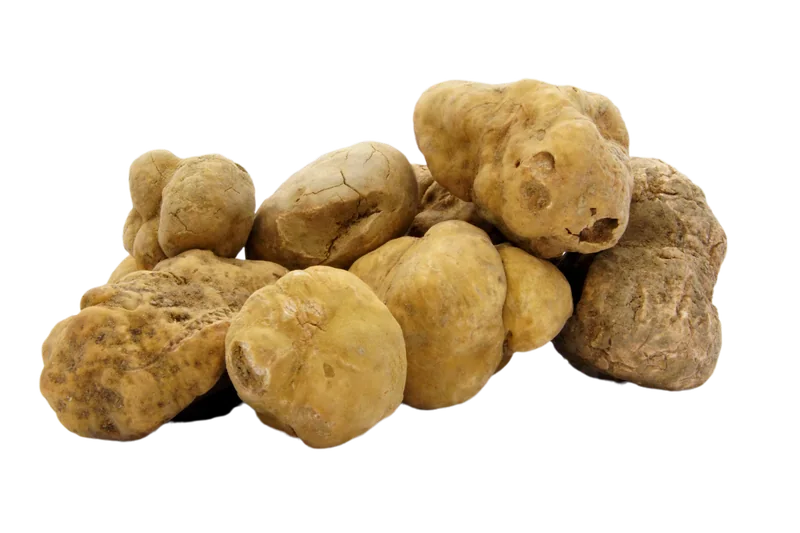
Each truffle species requires calcareous soil populated by symbiotic trees and is found thanks to the expertise of our truffle hunters and their trained dogs. After harvesting, the truffle is quickly cleaned and, if not intended for fresh consumption, preserved in brine or oil to enhance its organoleptic properties without altering them. Equally important is the culinary pairing: white truffles add an explosion of aromas to dishes, black truffles bring depth and intensity, while summer and autumn varieties add delicacy and versatility, making truffles an ingredient capable of transforming any recipe into a true sensory experience.
Precious black truffle
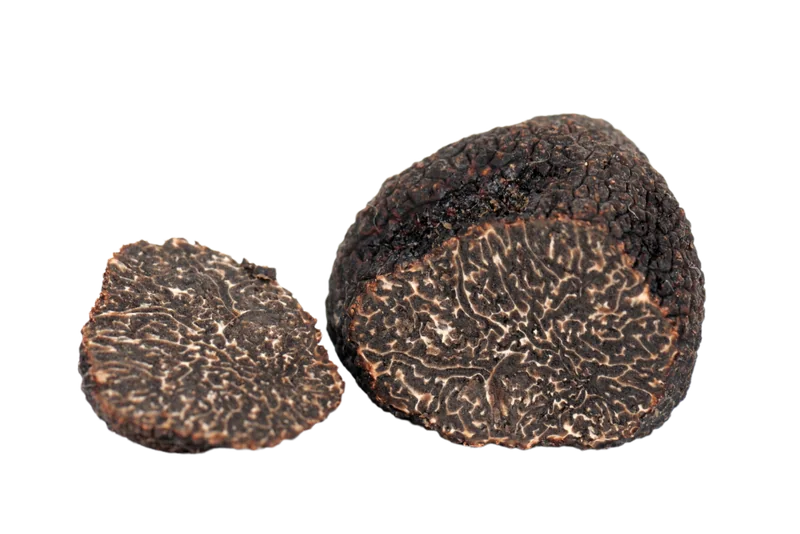
Tuber melanosporumAvailable in winter (November–March), it grows in symbiosis with oak, hazel, and holm oak trees. Its aroma is strong but more “earthy” than the white truffle, with hints of bitter chocolate, hazelnut, and wet earth. The flesh is dark, veined with white, and gives hot dishes a rich and enveloping aroma. It is ideal for risottos, sauces, and eggs, where it releases all its intensity.
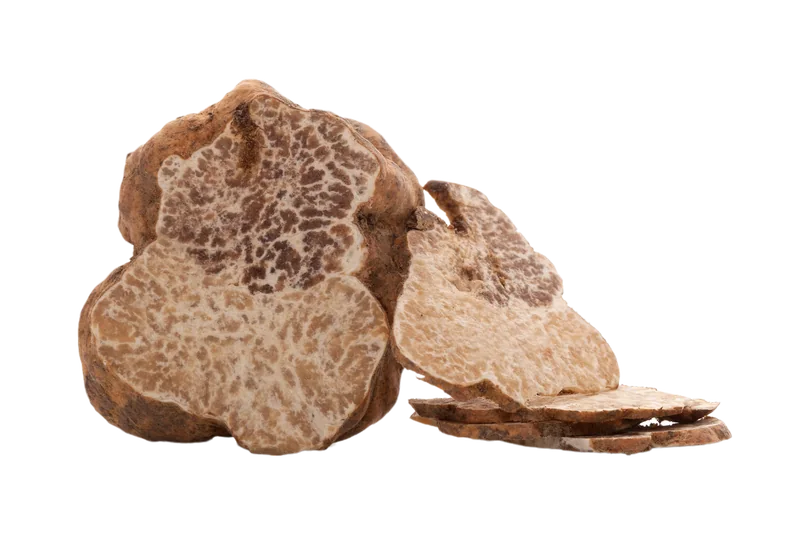
Bianchetto truffle
Tuber borchii A prized species with a characteristic light color, it is harvested between February and May in deciduous forests on calcareous soils. It has a delicate but persistent aroma, with notes of cooked garlic, hazelnut, and a slight hint of musk. Its flesh, which is almost whitish and tender but compact in texture, is suitable for both fresh consumption, grated over light dishes, and preservation in oil or butter, which enhance its aroma.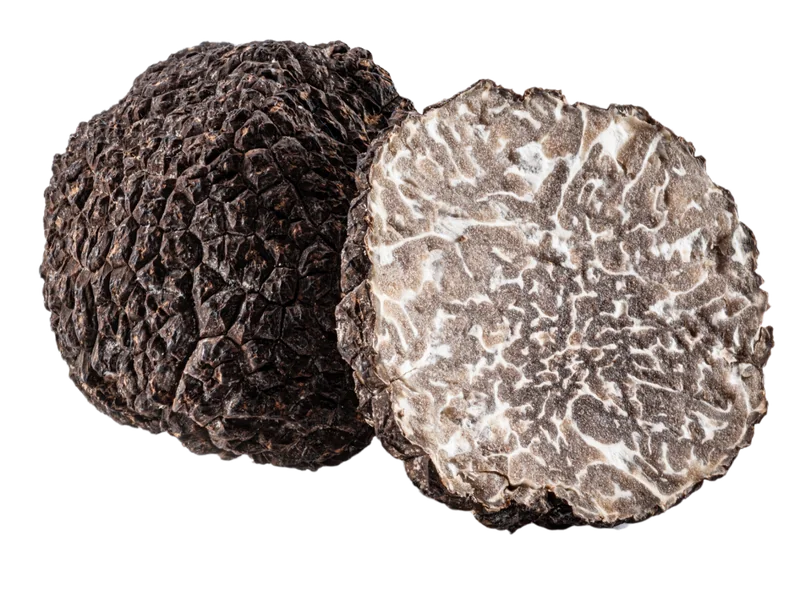
Winter black truffle
Tuber brumale Available until February, it differs from the melanosporum in its more pungent aroma, with sulphurous and damp undergrowth notes. It is less prized but has a strong, rustic character, with dark flesh and marked veins. It is used in spreads, fillings and cooked dishes, as its robust aroma withstands high temperatures well.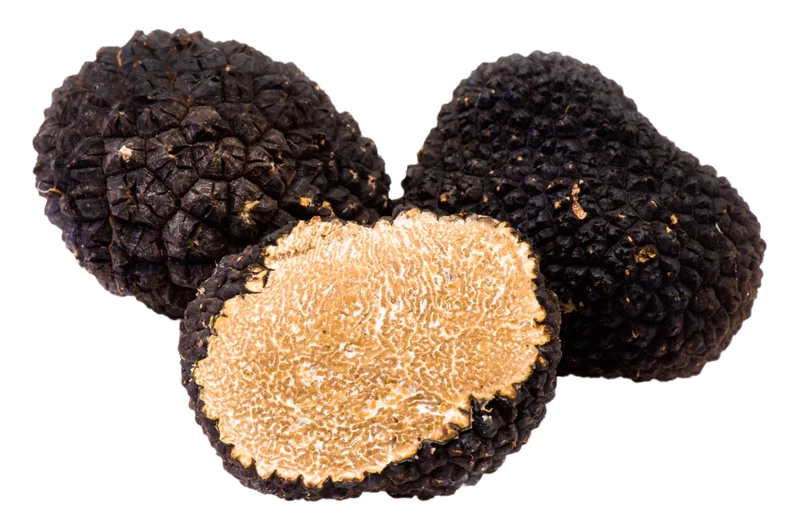
Autumn truffle
Tuber uncinatum Similar to the summer truffle, it ripens between September and November in beech and other deciduous forests. Its aroma is reminiscent of melanosporum, but with sweeter and toasted tones. It has a firm texture and dark hazelnut-colored flesh tending towards light chocolate. It lends itself to multiple uses: it is excellent fresh, for seasoning stuffed pasta and crostini, but also preserved in aromatic oils.